Introduction
Driving under the influence of medications (DUI) is a serious violation that postures a substantial danger to public safety and security. In Toronto, the laws and charges for drug-impaired driving are stringent, intending to deter individuals from engaging in this unsafe behavior. This post will certainly delve into the different aspects of drug-impaired driving in Toronto, including the lawful structure, fines, and consequences connected with this violation. Whether you're encountering your initial drunk driving charge or seeking information on how to handle a DUI situation, this comprehensive guide will offer you with useful insights.
Exploring the Rules and Penalties for Drug-Impaired Driving in Toronto
Understanding Drug-Impaired Driving Laws in Toronto
Drug-impaired driving drops under the Bad guy Code of Canada, especially within the area committed to impaired driving offenses. In Toronto, in addition to throughout Canada, it is prohibited to operate an automobile while impaired by medicines. The regulation incorporates both illicit compounds and prescription medications that can hinder one's capability to drive safely.
The lawful limit for medication problems is absolutely no in Canada. This implies that any visibility of medicines found with screening can result in charges and potential charges. The worry of proof lies with the prosecution to show problems beyond a reasonable doubt.
Differentiating between Drug-Impaired Driving and Alcohol-Impaired Driving
While both drug-impaired driving and alcohol-impaired driving are serious offenses, there are some crucial distinctions in between them. Alcohol-impaired driving commonly entails determining blood alcohol concentration (BAC) levels making use of breathalyzer tests. On the various other http://dui-processrpzv458.lowescouponn.com/false-dui-apprehensions-how-to-protect-your-rights-and-seek-justice hand, drug-impaired driving counts on different kinds of examinations, such as blood or urine examples, to detect the visibility of drugs.
Additionally, impairment caused by medicines can differ substantially relying on aspects such as the kind of medication eaten, dosage, specific tolerance degrees, and interaction with various other compounds. This complexity makes prosecuting drug-impaired driving cases extra tough, calling for specialized training for police policemans and proficiency from forensic toxicologists.
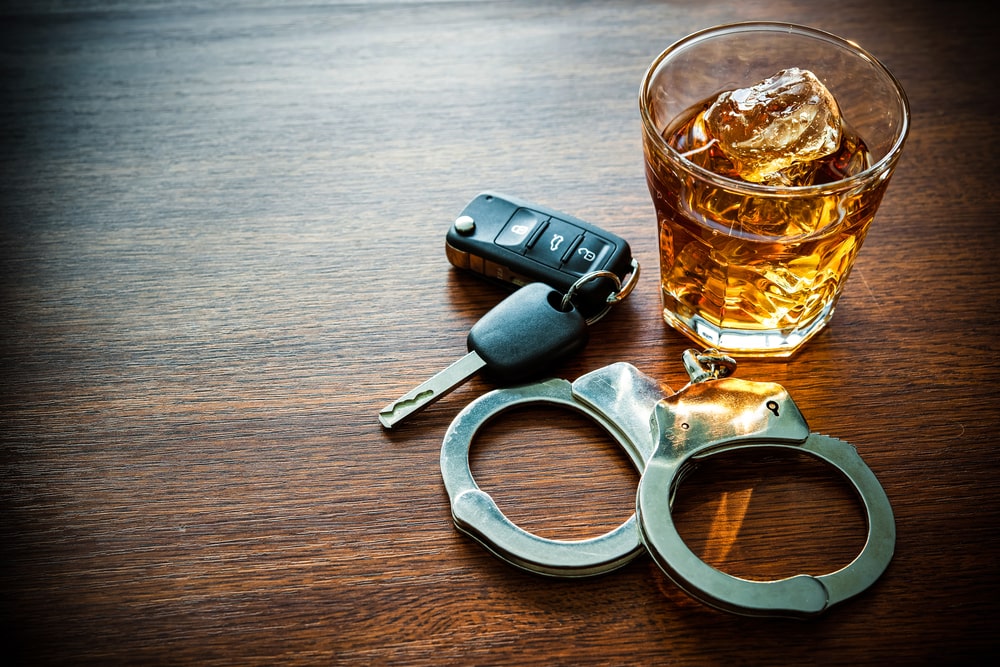
Penalties for Drug-Impaired Driving in Toronto
The penalties for drug-impaired driving in Toronto are serious, mirroring the prospective injury caused to people and neighborhoods. The certain penalties depend on different elements, including the variety of previous offenses, blood concentration levels, and whether the violation led to physical harm or death.
First Violation DUI
For an initial violation DUI, the charges can consist of:
- A obligatory minimum penalty of $1,000 A minimal one-year certificate suspension Completion of an education or therapy program Installation of an ignition interlock device (IID) at the transgressor's expense
Second Crime DUI
If you obtain a second DUI infraction within ten years of your first conviction, the charges increase substantially. These can consist of:
- A required minimum jail sentence of 30 days A minimum three-year permit suspension Mandatory completion of a treatment program Mandatory installment of an IID at the culprit's expense
Third Violation DUI
A 3rd crime DUI brings a lot more serious fines, including:
- A required minimum jail sentence of 120 days A life time permit suspension with a possibility for reinstatement after a minimum period Mandatory completion of a therapy program Mandatory installment of an IID at the culprit's expense
Impaired Driving Causing Fatality or Bodily Harm
If a person is killed or injured as a result of drug-impaired driving, the effects end up being significantly more extreme. Charges for impaired driving causing death or bodily harm can include:
- A maximum life sentence for impaired driving causing death A optimum 14-year prison sentence for impaired driving causing bodily harm
FAQs regarding Drug-Impaired Driving in Toronto
What happens if it's my first infraction drunk driving in Toronto? If it's your initial offense DUI in Toronto, you can face a mandatory minimum penalty of $1,000, an one-year certificate suspension, and other fines such as completing an education and learning or therapy program.
Can I encounter prison time for a second DUI offense in Toronto? Yes, if you receive a second DUI crime within ten years of your first conviction, there is a required minimum jail sentence of 30 days.
What are the fines for impaired driving causing death in Toronto? Impaired driving causing death is a significant crime that can result in a maximum life sentence.
Is there a legal restriction for medication impairment in Toronto? No, there is absolutely no tolerance for medicine problems while operating a motor vehicle in Toronto. Any kind of visibility of medicines detected via screening can result in fees and possible penalties.
Do I need to install an ignition interlock device (IID) after my very first DUI offense? The setup of an IID might be called for, especially for repeat offenders or individuals whose blood concentration levels were significantly above the legal limit.
Can I obtain my license renewed after a life time suspension due to multiple DUI offenses? Sometimes, it may be feasible to apply for license reinstatement after offering a minimum period of the lifetime suspension. However, this goes through evaluate and approval by the appropriate authorities.
Conclusion
Drug-impaired driving is a serious violation with serious effects in Toronto. The regulations and charges aim to deter individuals from engaging in this harmful actions and safeguard public safety and security. It is crucial to recognize the legal structure bordering drug-impaired driving and look for proper legal depiction if you find yourself dealing with charges.
Remember, it is always best to prioritize safety and security by refraining from any kind of damaged driving. By doing so, we can jointly contribute to much safer roads and neighborhoods in Toronto and beyond.